The first time you hear it, you assume something boiled over in the kitchen. Then you follow the sound to the garage and find the big metal tank you barely think about the rest of the year.
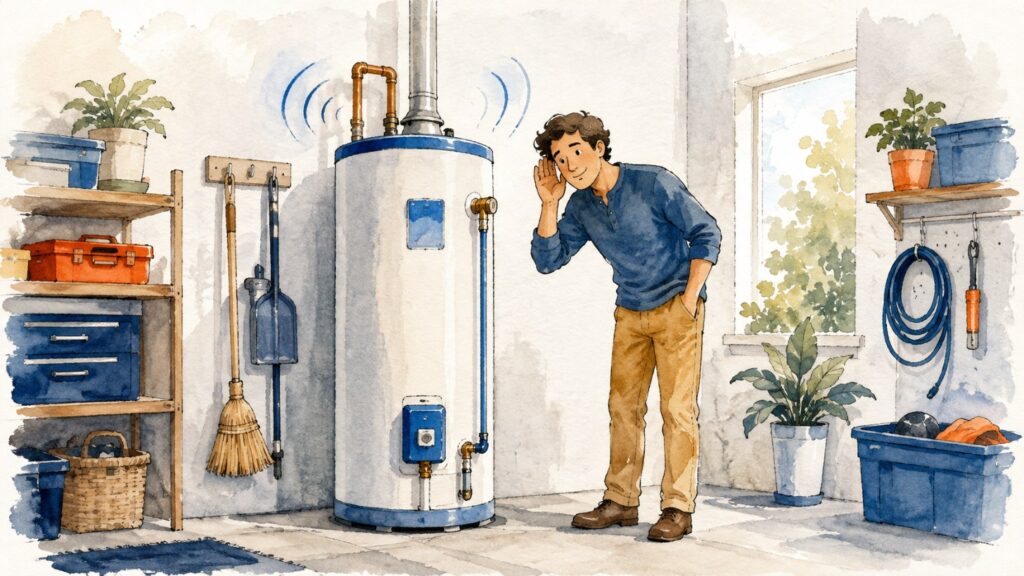
Popping. Rumbling. Sometimes a sound like popcorn under a lid. It gets your attention, because hot water and loud noises feel like a bad pairing.
Here’s the calmer truth. A water heater making noise is almost always a symptom, not an emergency. The sound means your tank is working harder than it should, and that extra work quietly shortens its life.
What that popping sound actually is
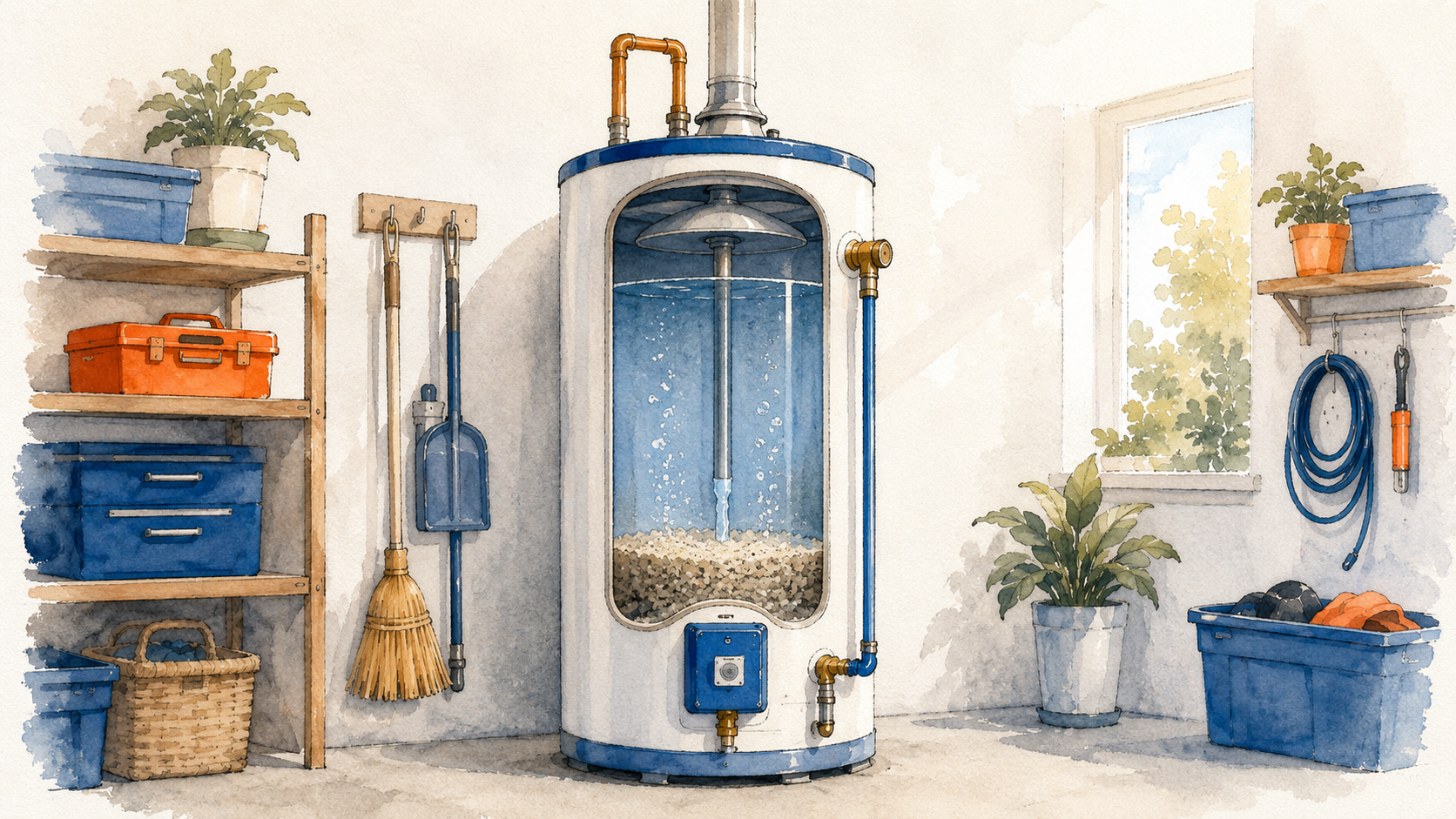
Your water carries dissolved minerals, mostly calcium and magnesium. Heat them and they stop staying dissolved. They settle on the floor of the tank as a gritty layer of sediment.
On a gas unit the burner sits right underneath that floor, so heat passes through the sediment first. Some water gets trapped in the layer, superheats, flashes to steam, and forces its way up through the grit.
That escape is the pop. String a few thousand together and you get the rumble, which means the pop is steam escaping a layer of grit, not the tank cracking. Electric tanks do it too, though theirs leans toward a sizzle, because scale cakes onto the lower heating element instead.
What a Water Heater Making Noise Is Trying to Tell You
Not every sound points to sediment. Pitch and timing tell you a lot, so listen for a minute before assuming the worst.
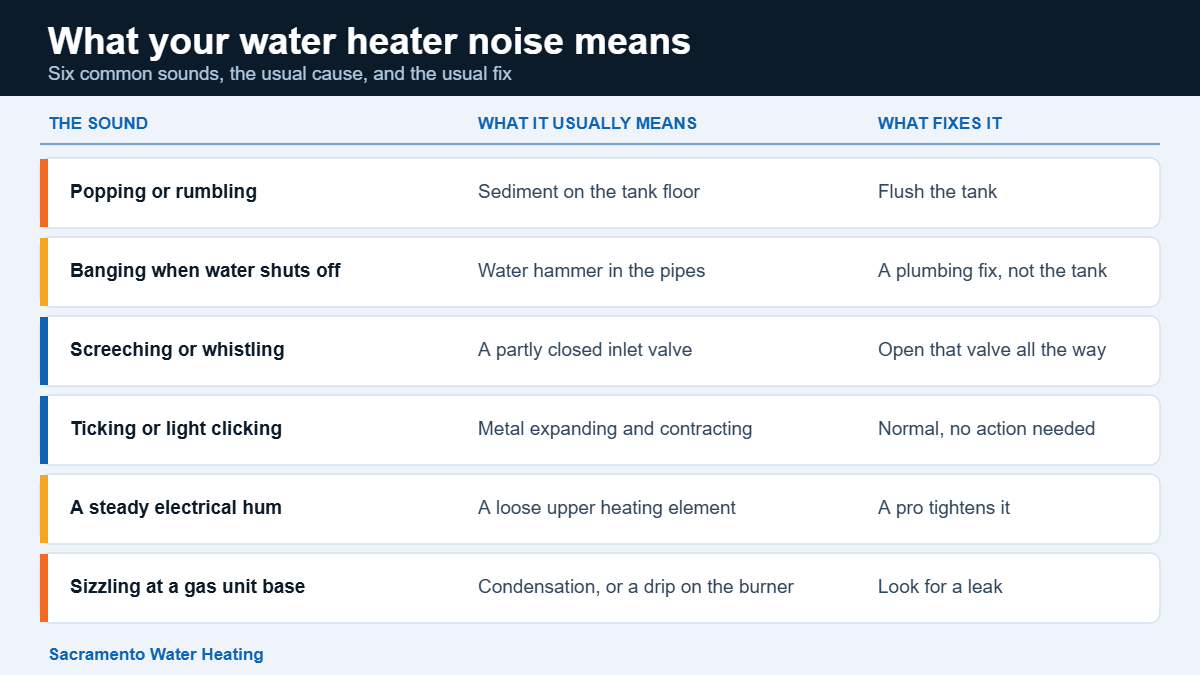
Rumbling, popping, or a popcorn sound
Sediment, almost every time. It shows up during or right after a heating cycle and gets louder as the layer thickens. The most common tank noise, and the most fixable one.
Banging that stops when the water stops
That’s water hammer, a pipe problem rather than a heater problem. A valve shuts fast, the moving water slams to a stop, and the pressure wave rattles the lines. Worth fixing, because repeated hammering can loosen joints and cause leaks later.
Screeching or a thin high whistle
Restricted flow. A valve is only partly open, usually the cold inlet on top of the heater, and water squeezing through the gap sings. Confirm that valve is open all the way first.
Ticking or light clicking
Usually nothing. Metal expands as it heats and contracts as it cools, and the heat trap fittings tick softly as water moves through. Quiet and rhythmic? Let it be.
A steady electrical hum
On an electric tank, that’s usually an upper heating element that has worked loose and vibrates as water moves past it. Harmless for now, quick for a pro to snug up.
Sizzling near the base of a gas unit
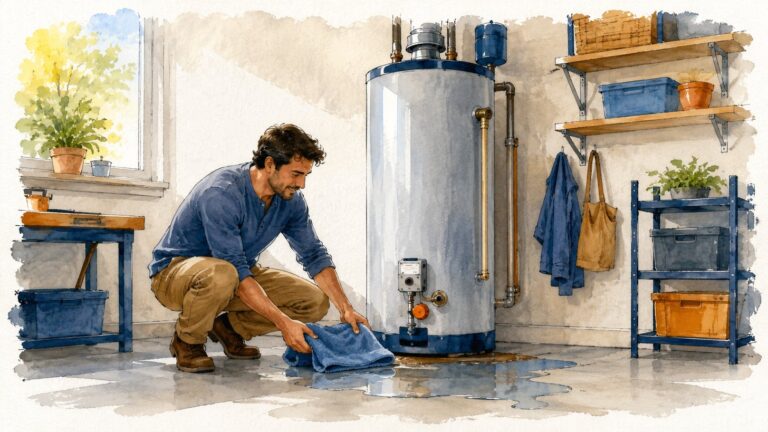
Pay attention to this one. Condensation early in a cycle sizzles harmlessly, but a sizzle that keeps going, or one you trace to a wet spot on the floor, can mean water is dripping onto the burner. If you see water, treat it like a leaking water heater.
Why Sacramento tanks get loud sooner
Sacramento Valley water is hard. That’s simply what comes out of the ground here, and it means more dissolved mineral moving through your tank every day. On the same maintenance schedule, a tank in Elk Grove or Roseville can start popping years earlier than the same unit somewhere with softer water.
Two local habits make it worse. Most homes here sit on a slab with the heater tucked into a garage, so nobody notices until the noise is impossible to miss. And winter incoming water runs much colder, so the burner runs longer per cycle and the popping arrives right when you’re leaning on hot water most.
A real Sacramento example
A homeowner in Citrus Heights called about a 9 year old tank in the garage that had started rumbling like distant thunder every evening. Nothing was leaking. The water still got hot, it just ran out sooner.
The tank had never been flushed. Nine years of valley hard water left a layer thick enough that the burner was heating grit before it heated water, which explains both the shorter showers and the creeping gas bill.
A flush pulled out a startling amount of sandy sludge and knocked the noise down. But a flush doesn’t reset the clock on an old tank. At nine years the honest conversation was about planning a replacement. The flush bought quiet and time to budget.
Is a noisy tank dangerous?
On its own, popping will not make a tank burst. What it does do is age the tank. Sediment insulates the steel from the water it’s meant to heat, so the bottom runs hotter than designed, the glass lining stresses, and once it cracks the steel starts to rust.
The danger is not the sound, it’s what the sound predicts. A water heater making noise year after year tends to fail early, and it usually fails by leaking. Two exceptions deserve urgency: a gas smell, which means leave the house and call your utility from outside, and water dripping from the relief valve.
What you can safely check yourself
- Make sure the cold inlet valve on top of the heater is open all the way. A partly closed valve is a classic cause of whistling.
- Notice when the sound happens. During a heating cycle points at sediment. Only while a faucet runs points at the pipes.
- Look at the floor under and around the tank for dampness or rust staining.
- Check the temperature. The Department of Energy uses about 120 degrees as a reference point, and a hotter tank boils sediment harder.
- Find the age. A date is coded into the serial number on the label, and a tank past 10 years changes the math on any repair.
That’s the whole homeowner list. Anything past it, especially the gas valve, burner, venting, or relief valve, belongs to a licensed pro.
When to stop and call a pro
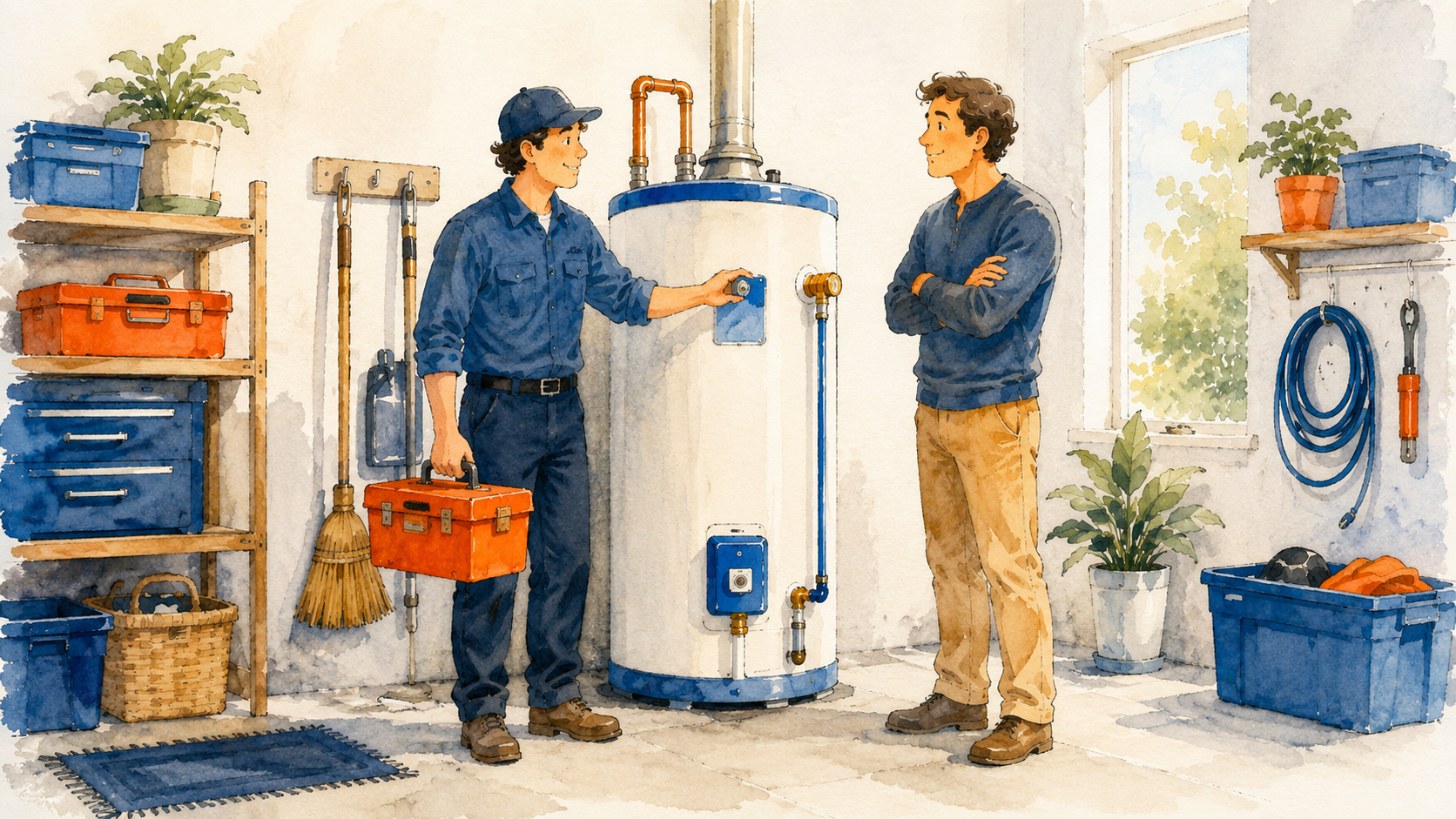
Pick up the phone if the noise arrives with any of these:
- Water on the floor, rust at the seams, or a wet relief valve.
- Hot water running out faster than it used to, which means sediment has stolen tank volume.
- A screech that continues after the inlet valve is confirmed fully open.
- Sizzling on a gas unit you can’t chalk up to condensation.
- Any gas smell whatsoever. Leave first, call from outside.
A professional flush is the right call too if the tank has never been done. On a loaded tank the drain valve clogs with the same grit you’re trying to remove, and clearing it without flooding the garage takes the right gear. Our water heater repair page covers what a visit includes.
The mistakes that cost people money
- Waiting for the noise to stop on its own. It doesn’t. Sediment only accumulates.
- Turning the temperature up to make up for shorter showers, which heats the sediment harder and speeds up the damage.
- Flushing a decade old tank without knowing that clearing sediment sometimes uncovers rust the sediment was plugging.
- Replacing a whole unit over a noise a flush would have fixed. Age and condition decide that, not volume. Our guide on repair or replace lays out how to weigh it.
How to keep your tank quiet
Most of the reasons behind a water heater making noise are preventable, and the prevention is boring in the best possible way.
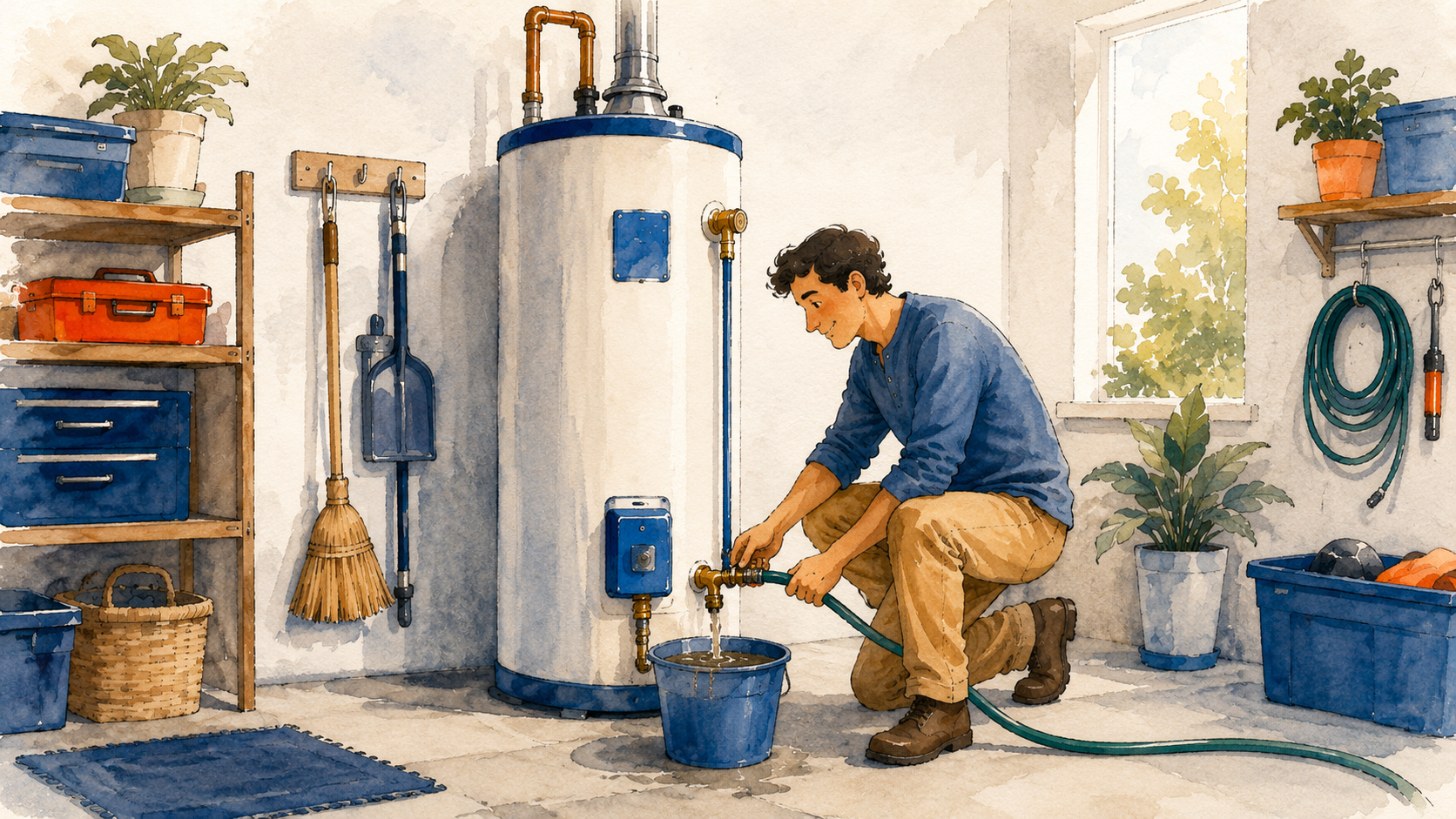
Flush the tank once a year, or every six to eight months given how hard the water is here. Regular maintenance and flushing is the single habit that keeps a tank quiet and efficient.
Have the anode rod checked every few years. It’s the sacrificial rod that corrodes so your tank doesn’t, and swapping a spent one costs a fraction of a new tank. Keep the thermostat reasonable too. Hotter isn’t better, just more scale and more scald risk.
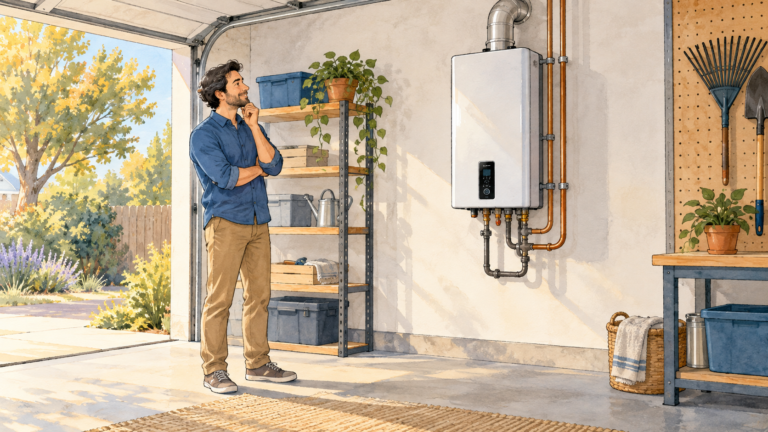
If you’re eyeing your next unit anyway, a tankless system sidesteps sediment noise entirely, though it needs annual descaling here.
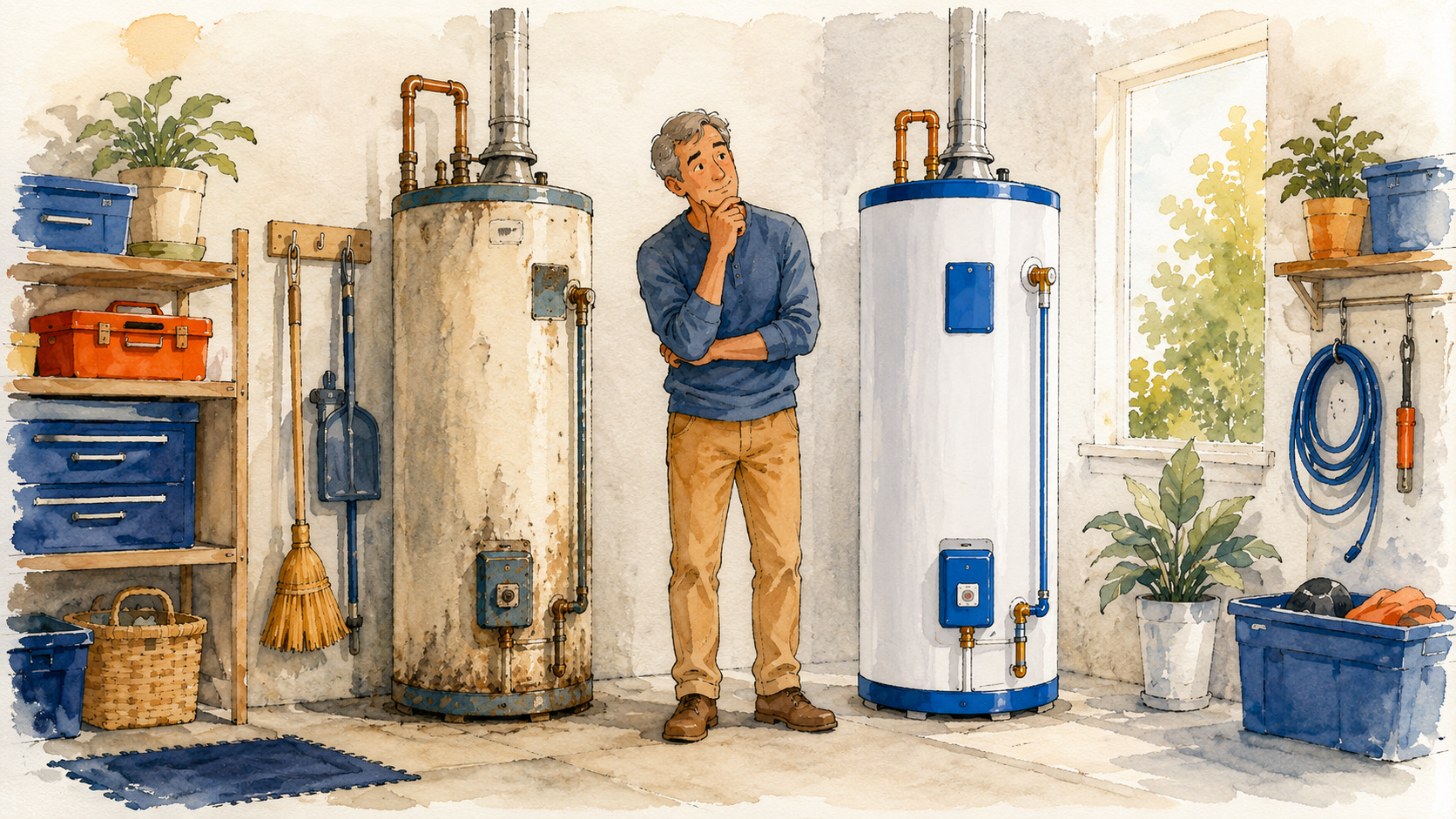
When the noise means replacement, not repair
Tanks last roughly 8 to 12 years, and a well maintained one lands at the long end. A loud tank under about eight years old is usually a flush and a checkup, nothing dramatic.
Past ten, with a rumble a flush barely touches, plus hot showers that keep getting shorter and rust at the fittings, you’re near the end of the run. The real question isn’t whether it can be repaired. It’s whether you’d rather choose your replacement on a quiet Tuesday afternoon or on the morning you find the garage floor wet. Our Sacramento cost guide covers what shapes the number, and the gas and electric comparison helps if you’re weighing fuel types.
Key takeaways
- Popping and rumbling almost always mean sediment on the bottom of the tank, not a tank about to fail.
- Hard water in the Sacramento Valley builds that sediment faster, so local tanks get loud sooner.
- Banging that stops with the water is pipes. Screeching is usually a partly closed valve. Ticking is normal.
- An annual flush prevents most of it. Water on the floor, a gas smell, or a dripping relief valve means call now.
Questions Sacramento homeowners ask
Can I just ignore a water heater making noise?
You can for a while, and plenty of people do. The tank won’t blow up. But every noisy month is a month the steel runs hotter than designed, and that shows up later as a replacement you didn’t plan for.
Will flushing my water heater stop the popping?
Often, yes, especially on a tank under about eight years old. On an older one that’s never been flushed, expect the noise to drop rather than disappear, because some scale has hardened onto the floor.
My tank is loud and I have no hot water. Same cause?
Sometimes. Heavy sediment can foul a lower element or choke a burner. If the hot water is gone entirely, start with the common causes of no hot water.
Getting a straight answer on your tank
Sacramento Water Heating is a water heater information and lead request service. We are not a licensed plumbing contractor. This article is general information, not professional plumbing advice, and a licensed local pro should assess your water heater before you decide anything. Costs, code requirements, and rebate programs change, so confirm current details for your address.
If your tank has started rumbling and you’d rather know than guess, call us and we’ll connect you with a local pro serving Sacramento, Elk Grove, Roseville, Folsom, Rancho Cordova, Citrus Heights, and Carmichael. You can also request a free quote or use the contact page. No pressure, just a clear read on that tank.