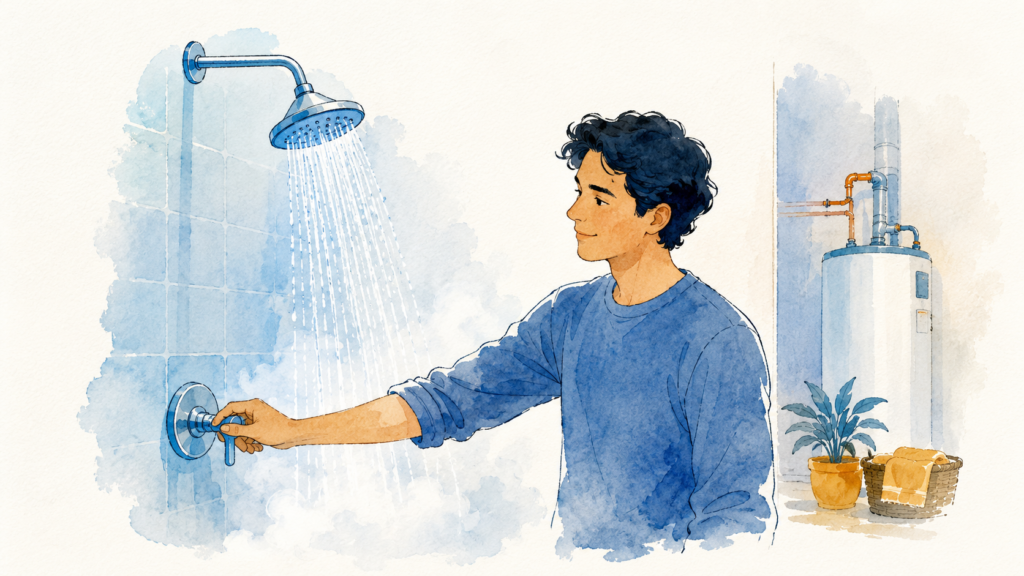
The shower runs fine for about six minutes. Then it goes lukewarm, then cold, and you’re twisting the handle further toward hot while nothing changes. Somebody else showered twenty minutes ago, and now it’s your turn to be cold.
That’s one of the most common complaints we hear from Sacramento homeowners, and it usually isn’t a dead water heater. A tank that empties too fast is telling you something specific.
It’s usually one of six things: sediment stealing space in the tank, a broken dip tube, a burned out heating element, a low thermostat, hot and cold water crossing in the plumbing, or a tank that was never big enough.
Not enough hot water is not the same as no hot water
Those two complaints sound alike and mean different things. If nothing warm comes out anywhere in the house, our guide on common causes of no hot water covers that instead.
Here we’re talking about hot water that starts out right and quits early. Pay attention to that pattern. Water that’s lukewarm from the first second points somewhere different than water that’s hot for five minutes and then gone.
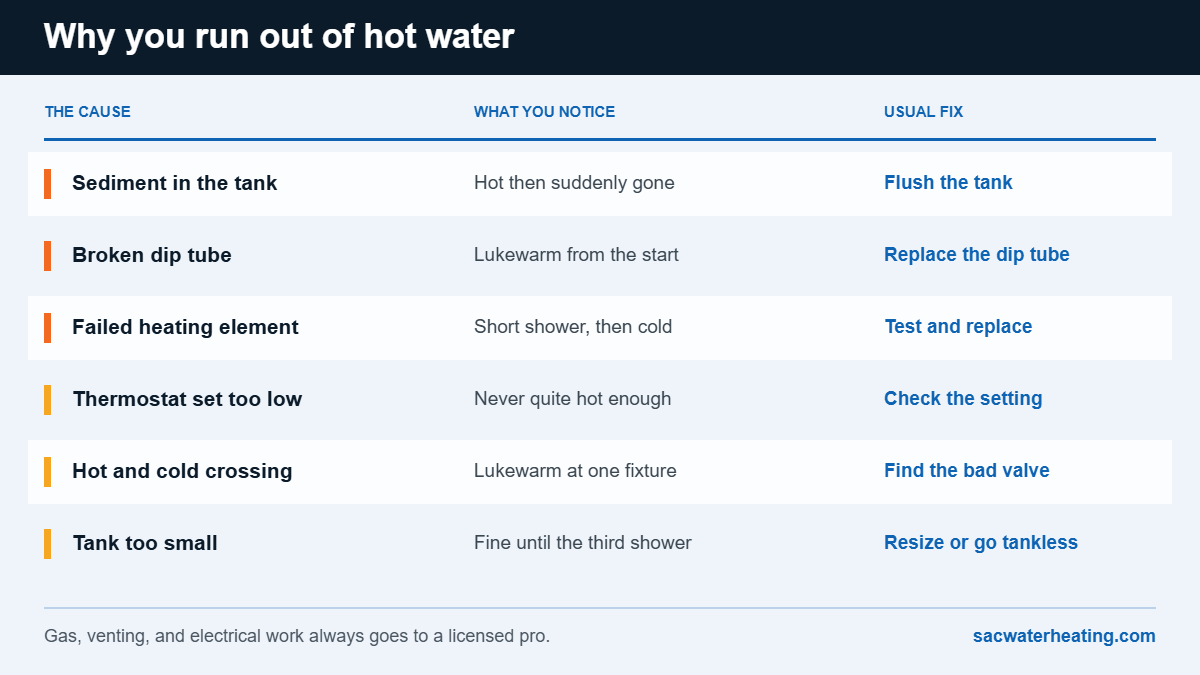
Six reasons your tank runs out
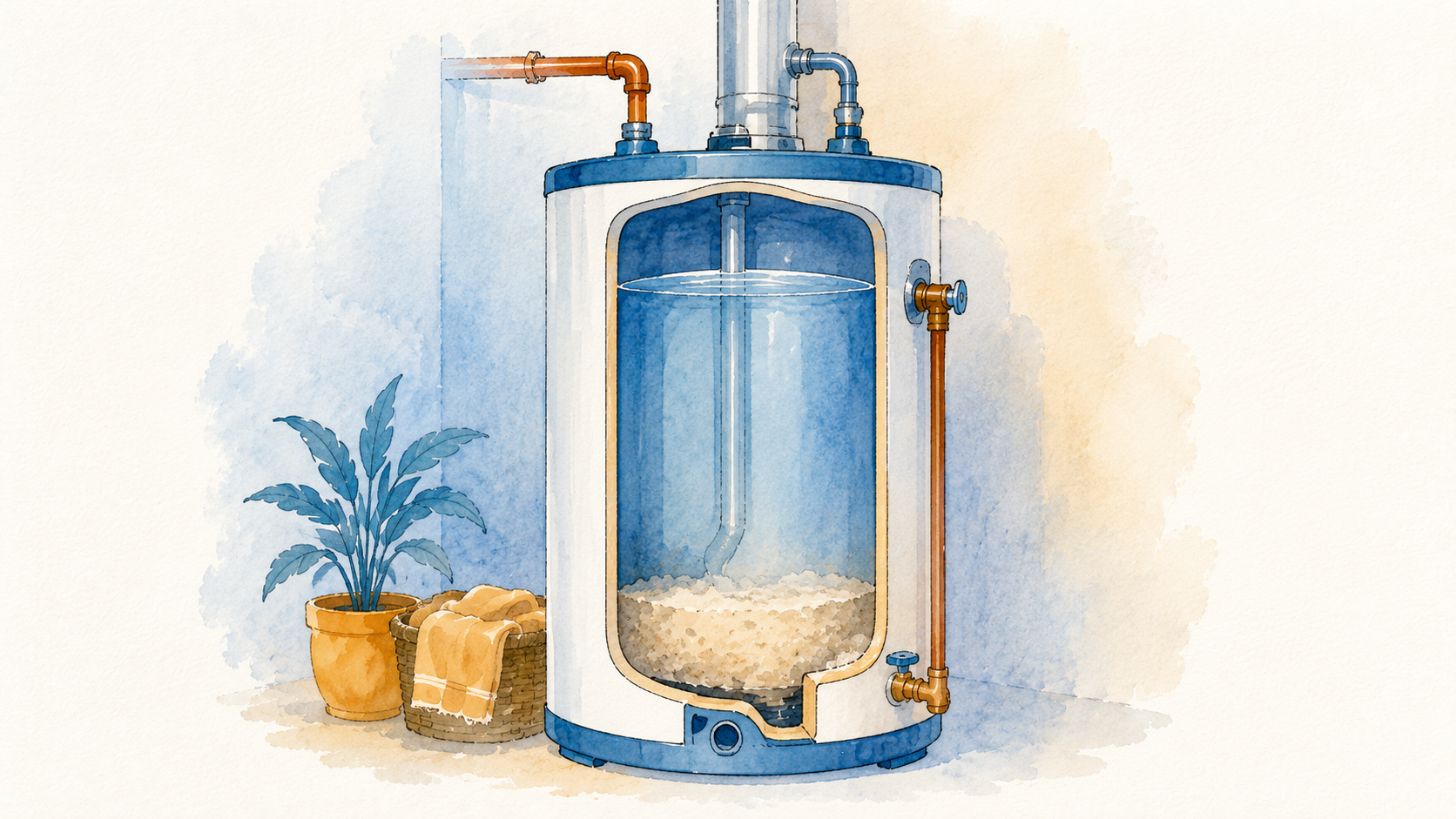
Sediment is taking up space in the tank
This is the big one around here. Sacramento Valley water carries a lot of dissolved minerals, and every time your heater warms it, some of them settle on the bottom of the tank.
Over the years that layer thickens. A 50 gallon tank with several inches of sediment isn’t a 50 gallon tank anymore, and every inch of buildup is hot water you can’t use. It gets you twice on a gas heater, since sediment also sits between the burner and the water and slows recovery down.
Regular flushing and maintenance is the fix, and in water this mineral heavy it’s worth doing yearly.
The dip tube is cracked or broken
Cold water enters your tank through a long tube that carries it down near the bottom, where the burner or lower element heats it. That tube keeps incoming cold away from the hot water waiting at the top.
When it cracks or breaks off short, cold water dumps in at the top and mixes into your hot supply. The tank is full and technically working, but what reaches your shower is watered down. The tell is water that goes lukewarm fast and never gets truly hot, sometimes with white plastic bits in faucet aerators.
A heating element has burned out
Most electric water heaters have two elements. The lower one does the bulk of the work, so it usually fails first.
When it quits, the upper element still heats the top of the tank. You get hot water, just far less, and it goes fast. That’s a classic short shower followed by a cold one. Testing an element means opening a live panel, so leave it to a pro. Our page on gas and electric water heaters covers the differences.
The thermostat is set too low
This is the happiest ending on the list, because sometimes the fix is a dial. If someone turned the setting down, your tank isn’t storing water as hot as it could.
Around 120 degrees is what the Department of Energy points to for most homes, balancing comfort, efficiency, and scald safety. Higher isn’t automatically better. A thermostat can also drift or fail outright, which is a different problem than a changed setting.
Hot and cold water are crossing somewhere
This one fools people, because the water heater is innocent. A worn shower valve cartridge, a failed mixing valve, or a bad check valve can let cold water sneak into the hot line and dilute it before it reaches you.
A plumber can confirm it by shutting the cold supply and opening a hot tap. If water keeps running steadily, something is feeding that line. Replacing a healthy water heater will not fix a crossover, so rule it out before anyone quotes you a new unit.
The tank is too small for how you actually live
Sometimes nothing is broken. The household grew, and the heater that was fine for two people can’t cover four.
The number that matters is the first hour rating, roughly 70 percent of tank capacity plus what the unit reheats in an hour. It predicts running out better than gallon size does. Gas tanks also recover faster than electric ones, which is why two homes with identical 40 gallon heaters can have very different mornings. If you’ve outgrown yours, weigh your replacement options.
Why Sacramento homes feel this more in winter
Your water heater doesn’t heat water to a temperature so much as raise it by a certain number of degrees. In August the water arriving at your house is already mild. In January it shows up much colder.
So the same heater works harder in winter and recovers more slowly between showers. A tank that was barely keeping up in summer starts coming up short once the weather turns.
Most homes around Elk Grove, Roseville, Citrus Heights, and Rancho Cordova also keep the heater in an unheated garage, losing heat all night. That’s why complaints about not enough hot water spike every fall, even though nothing changed.
A real Sacramento example
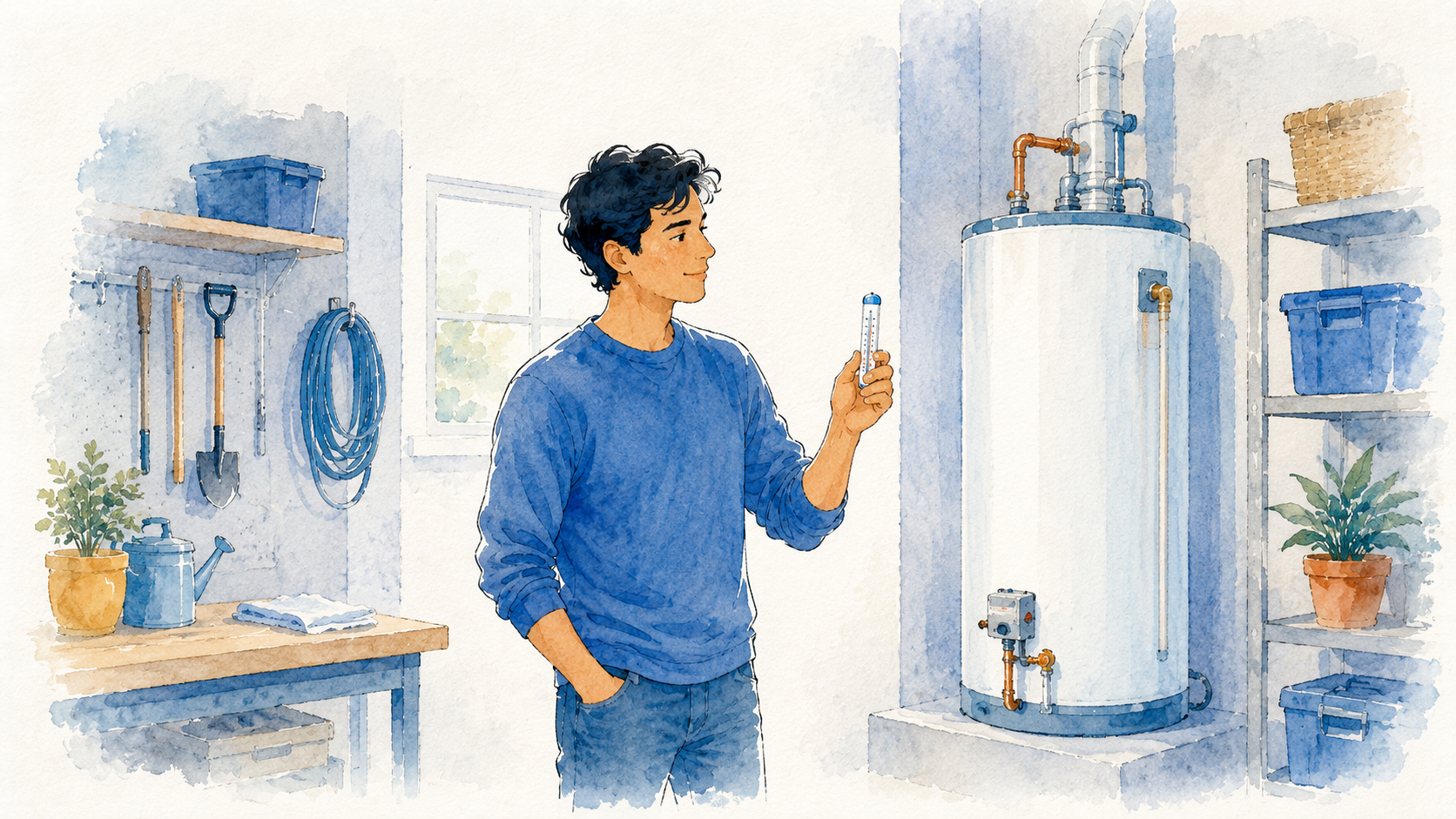
Picture a family of four in a single story Citrus Heights home with a 40 gallon gas heater in the garage. For eight years it was fine. Then the kids hit their teens and mornings turned into a race.
By November the third shower was cold every day. Nothing leaked, the burner lit fine, nothing looked wrong.
Three things were stacking: mineral buildup had eaten into usable capacity, colder incoming water slowed recovery, and demand had grown past what 40 gallons could cover in a tight window. A flush helped, but the home had outgrown the heater. That’s a different conversation than “your water heater is broken.”
What you can safely check yourself
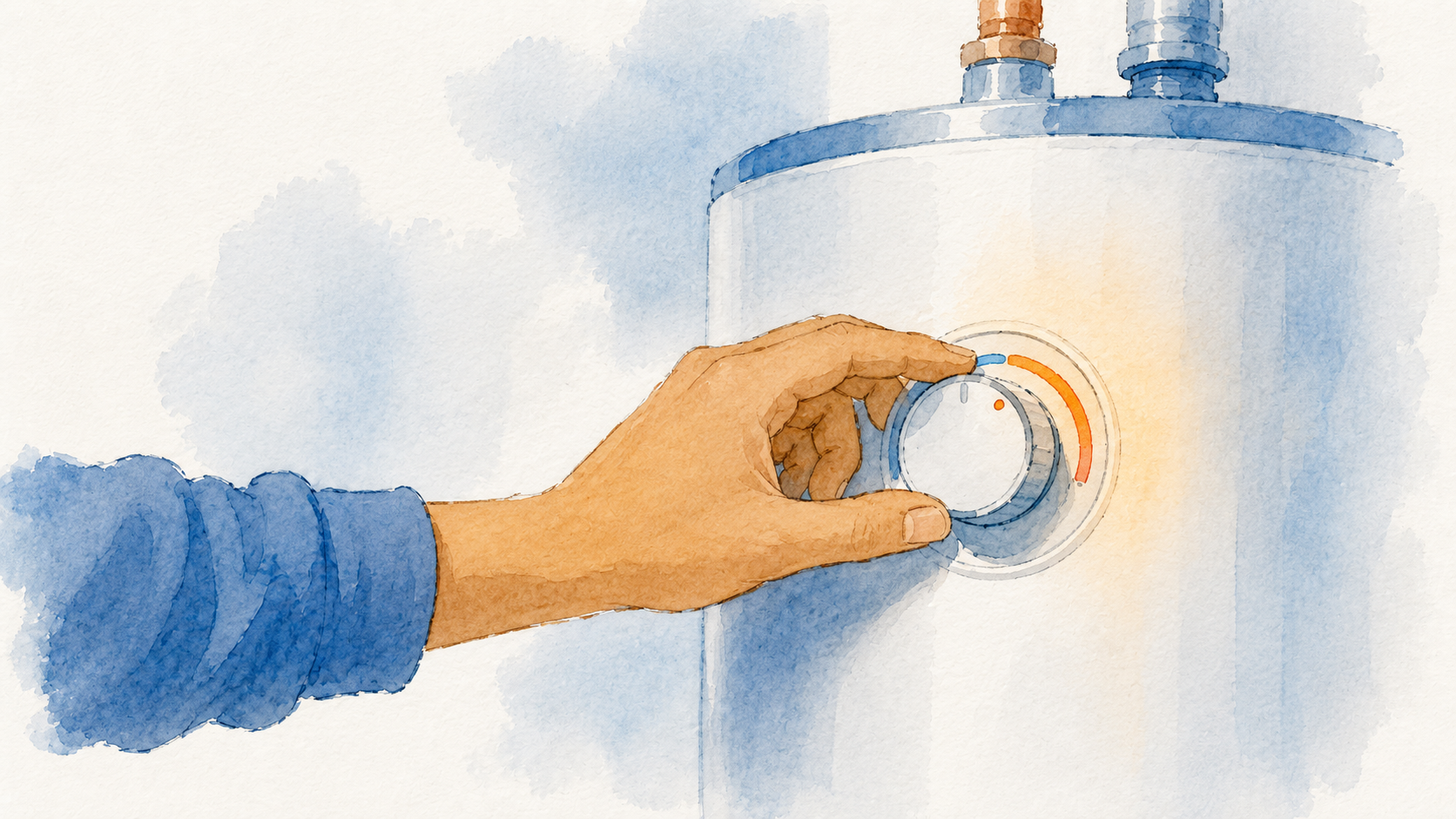
- Check the thermostat setting in case someone turned it down.
- Time it. Note how many minutes you get, and whether it starts hot or starts lukewarm.
- Find the label with the model and serial number, which gives you the tank size and age.
- See whether it happens at every fixture or just one. A single bad shower valve points away from the heater.
- Look and listen around the base for moisture, rust, or rumbling.
Where to stop: leave the gas control valve, the burner, the venting, the pressure relief valve, and the electrical panel to a licensed pro. A mistake there is dangerous, not just inconvenient.
Common mistakes that make it worse
The most common one is cranking the thermostat way up. It buys a little more usable water since you blend in more cold at the tap, but it raises scald risk and speeds up mineral buildup.
The second is buying a bigger tank without finding out why the old one fell short. If a cracked dip tube was the real cause, a bigger heater is just a bigger version of the same problem.
The third is waiting it out. Not enough hot water is often the first quiet signal before a bigger failure, and water on the floor means you should treat a leaking water heater as urgent.
Repair, flush, or replace?
If your tank is under about eight years old and otherwise healthy, most of these causes are repairs. A dip tube, an element, a thermostat, or a good flush can restore full performance for a fraction of replacement cost.
Once a tank passes the 10 to 12 year mark, the math shifts. Storage heaters typically last 8 to 12 years around here, and repair money spent near the end of that window rarely pays off. Our breakdown on repairing versus replacing shows where the line falls.
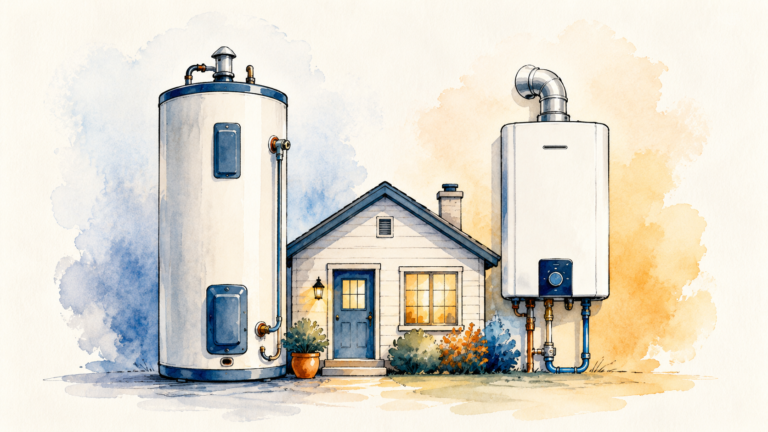
If you’re constantly rationing showers, capacity may be the answer. A larger tank or a tankless water heater can end the problem instead of managing it, though tankless needs sizing for peak demand. Our Sacramento cost guide covers what drives the number.
In the meantime, spacing showers twenty minutes apart and fitting a low flow shower head both buy real minutes. The Department of Energy’s water heating guidance is worth a read.
When to call a pro
Call sooner if the hot water keeps getting shorter each month, if water is pooling under the tank, or if the unit rumbles loudly and takes hours to recover.
If you smell gas, don’t troubleshoot anything. Leave the house and call the gas utility from outside, then arrange service.
For everything else, a licensed local tech can usually pin the cause down in one visit, since each of these six leaves a different fingerprint. Our water heater repair page covers what a visit involves.
Key takeaways
- Running short usually means sediment, a broken dip tube, a failed element, a low thermostat, a crossover, or a small tank.
- Lukewarm from the start points to a dip tube or crossover. Hot then suddenly gone points to sediment, an element, or capacity.
- Sacramento’s mineral heavy water makes annual flushing high value.
- Colder winter water shrinks your effective supply, so problems surface in fall.
- Diagnose before you upsize, and leave gas and electrical work to a licensed pro.
Frequently asked questions
How long should hot water last in a 40 gallon tank?
Roughly two average showers in a row, depending on shower head flow, the temperature setting, and how cold the incoming water is. If you’re getting less than before, something inside the tank has changed.
Will flushing my water heater give me more hot water?
Often yes, if sediment is the cause. Clearing that layer restores usable capacity. On a tank neglected for years, have a pro do it.
Does a tankless water heater ever run out?
Not the way a tank does, since it heats water as it flows. It can still fall behind if too many fixtures run at once, so sizing it for your home’s peak flow matters.
Getting your hot water back
Not enough hot water is a solvable problem far more often than a replacement problem. Figure out the pattern, get the tank looked at, and the fix is usually smaller than you feared.
Sacramento Water Heating is a water heater information and lead request service. We’re not a licensed plumbing contractor, and this article is general information rather than professional plumbing advice. Water heaters and local code vary from home to home, so a licensed local pro should assess your specific unit before you decide anything.
If your hot water keeps running short, we can connect you with a local water heater pro serving the greater Sacramento area. Request a free quote or get in touch and we’ll help you get it sorted.