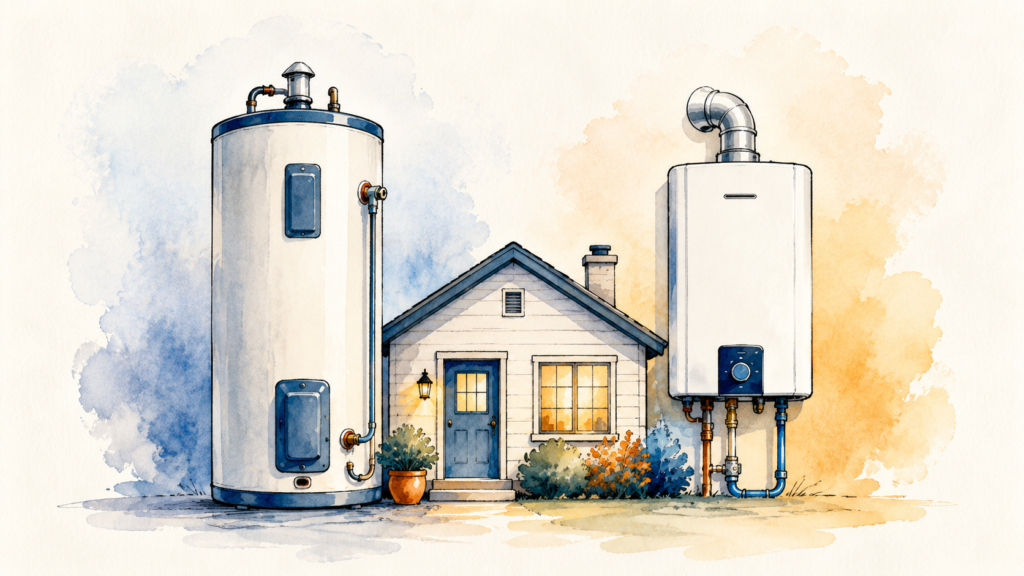
Your old tank finally gave out, and now you’re standing in the water heater aisle (or scrolling one on your phone) staring at two very different machines. One is the tall metal cylinder you’ve had in your garage for years. The other is a slim box on the wall that promises hot water that never runs out. Both will get you a warm shower tomorrow morning, so the real question is which one fits your home, your habits, and your budget.
That’s the heart of the tank vs tankless water heater decision, and there’s no single right answer for every house in the Sacramento area. A big family in Elk Grove that runs three showers before work has different needs than a retired couple in Carmichael. Here’s how the two compare in plain terms, so you can pick with confidence instead of guessing.
How each one actually works
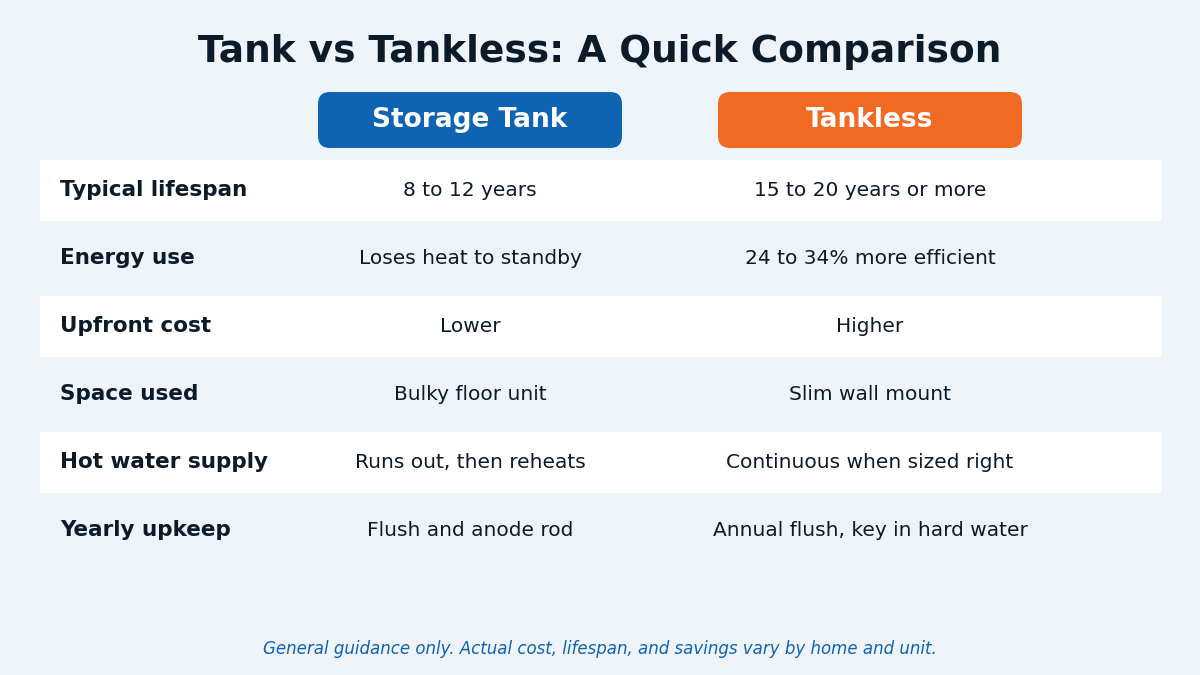
A storage tank heater does exactly what it sounds like. It keeps 40 to 50 gallons (or more) of water hot around the clock, ready the moment you open a tap. When you drain it, it refills and reheats. The catch is that it burns energy keeping that water warm even when nobody’s home, which the Department of Energy calls standby heat loss.
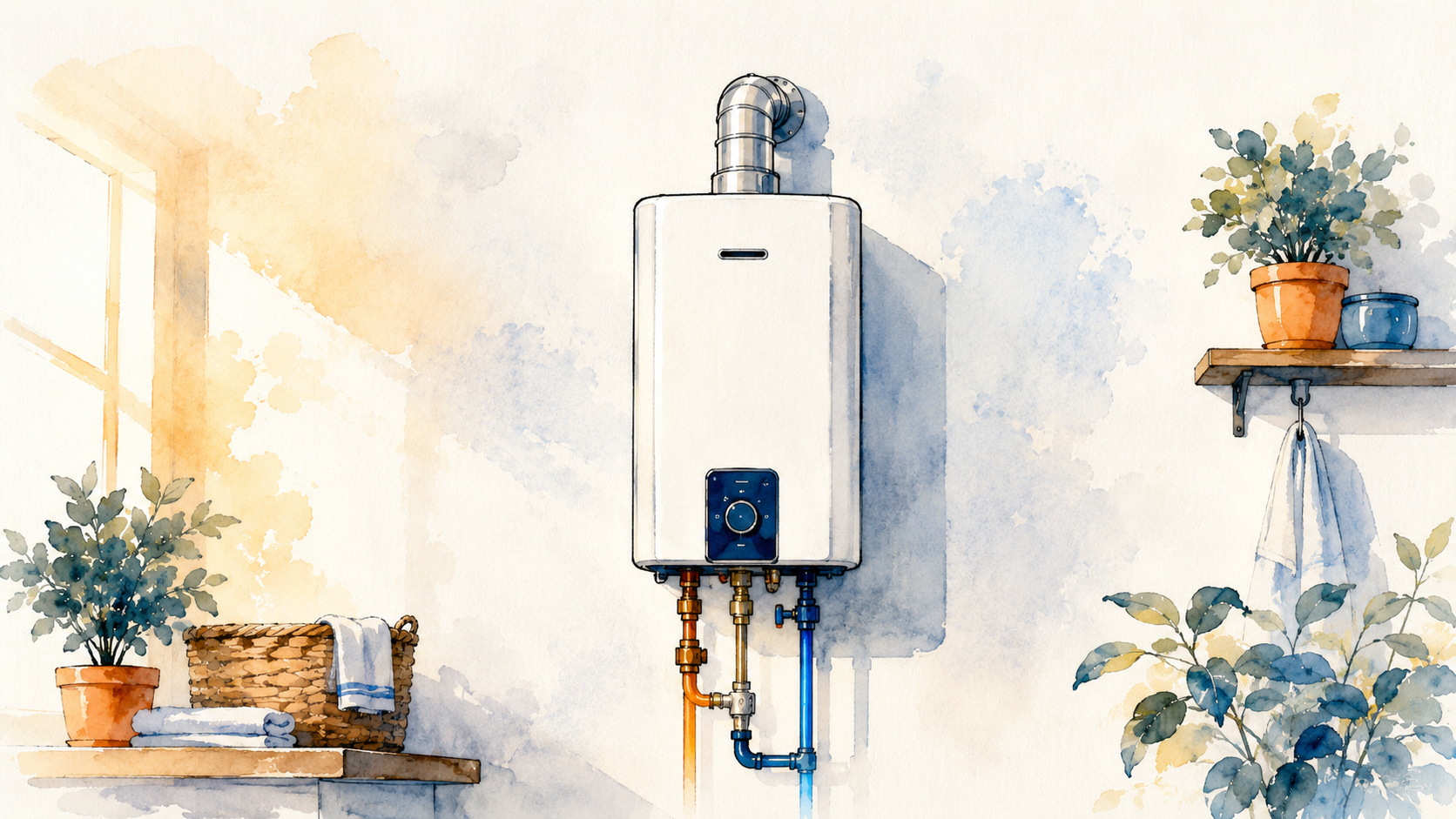
A tankless unit, sometimes called a demand heater, skips the storage entirely. When you turn on the hot water, cold water rushes through the unit and a powerful burner or heating element warms it on the spot. Nothing sits around losing heat, and the hot water keeps coming as long as the tap is open. That’s the “endless hot water” you’ve heard about, with an important limit we’ll get to below.
The case for a storage tank
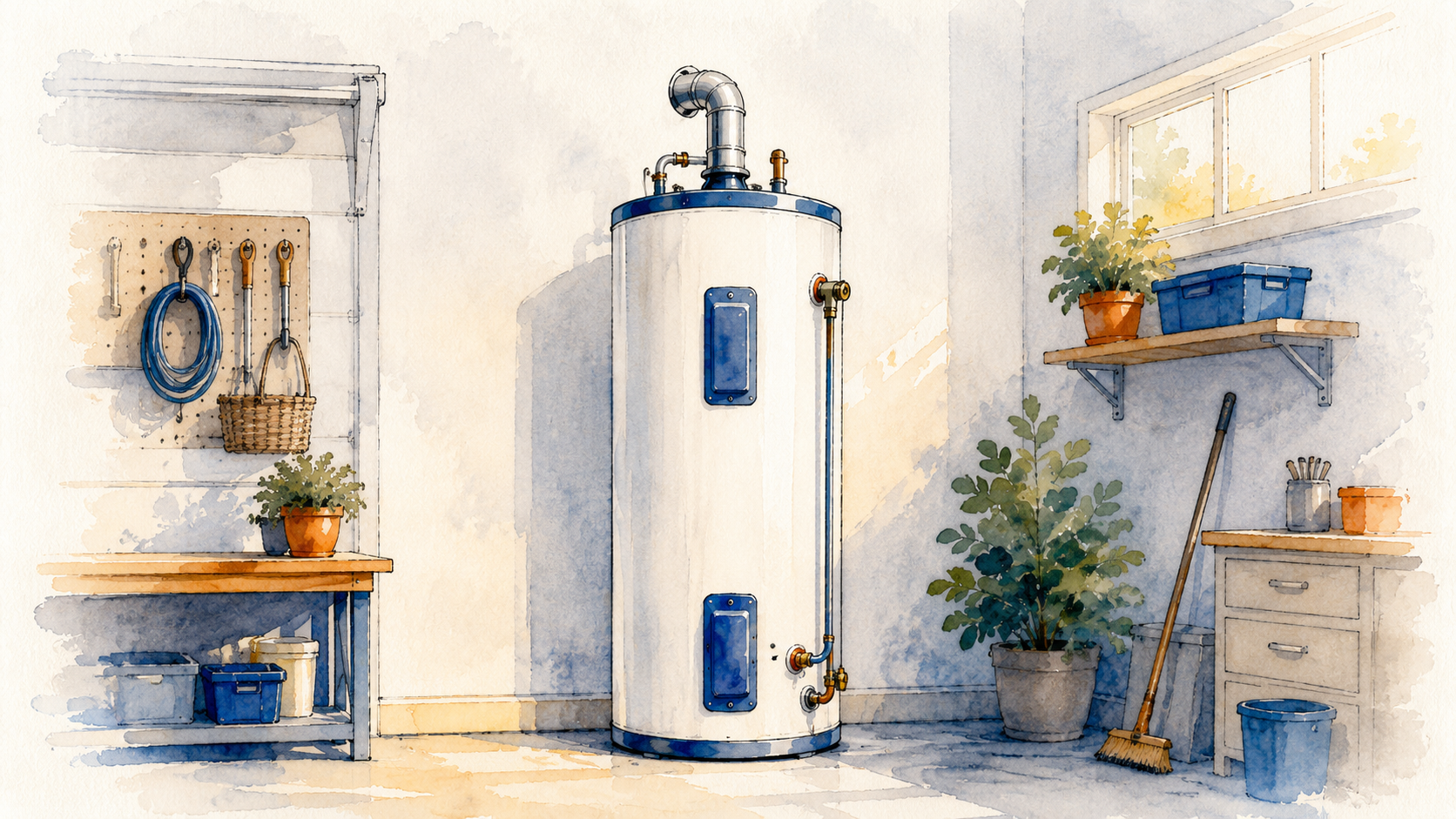
Tanks have stuck around for good reason. The upfront cost is usually much lower, and because most homes were built around them, a straight tank replacement tends to be a simpler, quicker job. If your garage or utility closet already has a tank, swapping in a new one rarely means touching your gas line or electrical panel.
Tanks also handle a big burst of simultaneous demand well. When the dishwasher, the laundry, and a shower all run at once, a full tank of already hot water can feed them until it runs dry. The trade off is that once it’s empty, you wait for it to reheat.
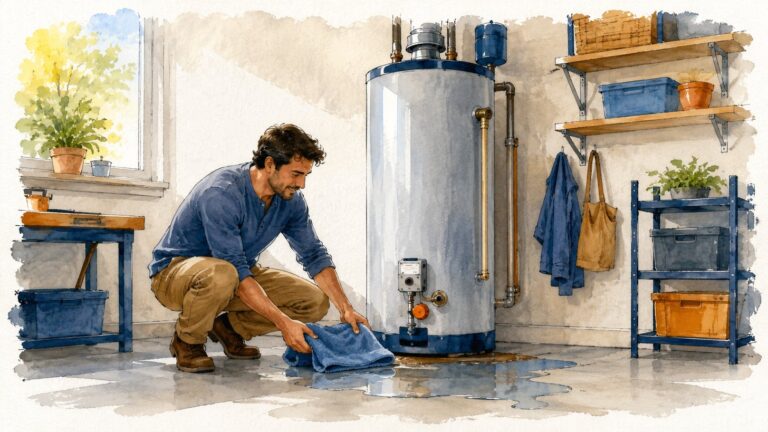
The downsides are real too. A tank typically lasts 8 to 12 years, it takes up a good chunk of floor space, and it wastes some energy every day keeping water warm. If it ever fails, you can end up with 40 plus gallons on your garage floor. That’s why a leaking tank always deserves quick attention, and you can read more on our leaking water heater page.
The case for tankless
Tankless heaters win on longevity and efficiency. A well cared for tankless unit often runs 15 to 20 years or more, close to double a typical tank. And because there’s no standby loss, they use less energy for the same hot water.
The Department of Energy estimates that for homes using around 41 gallons of hot water or less per day, a tankless unit can be 24 to 34 percent more energy efficient than a standard tank. Heavier users still see savings, just a smaller slice. You can check the details on the Department of Energy website.
There’s also the space. A tankless box mounts on the wall and frees up the footprint your old tank used, which is a nice bonus in a tight garage or closet. And since there’s no tank to rupture, the risk of a sudden flood is lower.
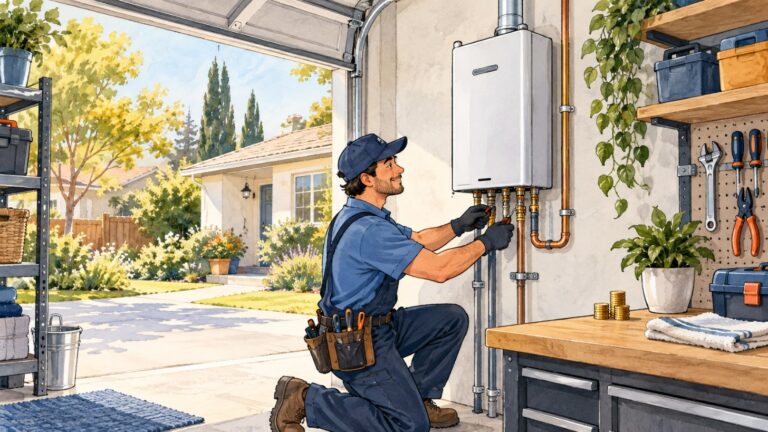
Now the honest limits. Tankless costs more to buy and to install, especially when your home needs a bigger gas line, new venting, or an electrical upgrade to feed it. And each unit can only heat so much water at once. Run enough hot taps at the same time and the temperature can dip, which is where correct sizing matters. Our tankless water heater installation page walks through what a proper setup involves.
Tank vs tankless water heater: a side by side look
When you weigh a tank vs tankless water heater side by side, most of the choice comes down to five things: what you pay now, what you pay over the years, how long it lasts, how much space you have, and how much hot water your household needs at peak times.
A tank asks less of you today and fits almost any home with little fuss. A tankless unit asks more upfront but tends to pay some of that back through lower energy use and a longer life. Neither is “better” in a vacuum. The right pick is the one that matches how your family actually lives.
What it means for a Sacramento home
A few local realities shape this choice around here. First, the hard water in the Sacramento Valley leaves mineral scale inside any heater. Tankless units are sensitive to that buildup and usually need an annual flush to stay efficient, and many local homes pair one with a softener or a scale filter. A tank isn’t immune either, which is why regular water heater maintenance and flushing pays off no matter which you own.
Second, most homes in Elk Grove, Roseville, Folsom, and Rancho Cordova are slab on grade with the heater tucked in the garage or a utility closet. That usually gives a tankless install a decent shot at the venting and gas it needs, though every home is different and a pro should confirm.
Third, our winters bring colder incoming water. When the water entering your home is chilly, a heater works harder to warm it, and a slightly larger tankless unit or a well sized tank keeps the shower comfortable on a January morning. If you’re weighing whether your current unit is even worth keeping, our guide on water heater installation and replacement can help, along with our post on what causes no hot water.
Common mistakes when choosing
The biggest one is buying on price alone. A cheap tank that fails in eight years can cost more over time than a pricier unit that lasts twenty, so it helps to think about the whole run, not just the sticker.
Another is undersizing a tankless unit. If you pick one rated for a small apartment and then try to run two showers and the laundry together, you’ll feel the temperature drop and blame the technology. The unit was just too small for the job.
People also forget the hidden install work. A tankless swap sometimes needs gas, venting, or electrical changes, and skipping a proper assessment leads to surprises. Gas, venting, and pressure relief work should always go to a licensed pro, never a weekend project.
Finally, don’t ignore maintenance. Both types last longer with a little care, and a neglected heater of either kind fails early.

So which should you choose?
Lean toward a tank if you want the lower upfront cost, a simple like for like swap, and plenty of hot water for several taps at once without special sizing. It’s the practical, proven choice for a lot of homes.
Lean toward tankless if you plan to stay in the home for years, you want the space back, and lower energy use and a longer life appeal to you, and you’re okay with a higher starting cost. For many Sacramento families it’s a solid long run value once it’s sized and installed right.
Key takeaways
- A tank stores hot water and costs less upfront, but lasts about 8 to 12 years and wastes some energy to standby loss.
- A tankless unit heats on demand, lasts 15 to 20 years or more, and can be 24 to 34 percent more efficient for lighter hot water use.
- Tankless costs more to buy and install, and it can need gas, venting, or electrical upgrades.
- Sacramento hard water means a tankless unit needs an annual flush, and both types last longer with regular maintenance.
- Right sizing matters most. The best heater is the one matched to your household’s peak hot water demand.
Frequently asked questions
Does a tankless water heater really give endless hot water?
It gives continuous hot water as long as you don’t exceed its flow rate. One properly sized unit handles a normal household fine, but run too many hot taps at once and the temperature can dip. Sizing it for your peak demand is the fix.
Is tankless worth the higher cost?
It often is for homeowners who stay put for years, since the longer life and lower energy use can offset the higher starting price. If you move often or want the cheapest option today, a tank may make more sense. A local pro can run the numbers for your home.
Can I switch from a tank to tankless?
Usually yes, but it’s not always a simple swap. Your home may need a larger gas line, different venting, or an electrical upgrade. That’s why a licensed installer should assess your setup before you commit.
Which lasts longer in Sacramento’s hard water?
Both take a beating from mineral scale, but a tankless unit that’s flushed every year and paired with soft water can outlast a tank by a wide margin. Skip the maintenance and either one wears out early.
Ready to talk it through?
Choosing between a tank and a tankless unit is easier with someone local who can look at your home, your gas and electrical setup, and how your family uses hot water. If you’d like a hand, we can connect you with a licensed Sacramento area pro for a straight answer and a free quote.
Sacramento Water Heating is a water heater information and lead request service. We are not a licensed plumbing contractor, and this article is general information, not professional plumbing advice. Costs, rebates, and code requirements vary by home and change over time, so a licensed local pro should assess your specific water heater. Call us for fast local help or request a free quote today.