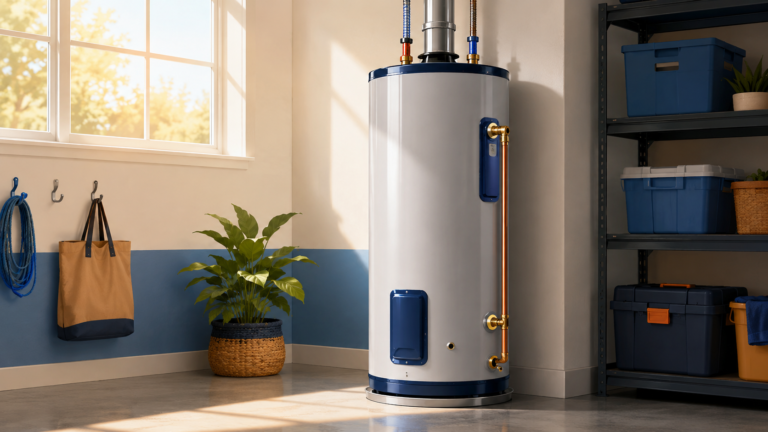
Your old tank finally gave out on a Tuesday, and now you’re standing in the garage staring at a puddle and a phone, wondering what this is about to do to your bank account. It’s one of those home expenses nobody plans for, and the guessing is often worse than the reality.
Here’s the honest part most homeowners don’t hear up front: the price tag on the box is only a slice of the story. When people ask about water heater cost in Sacramento, they’re usually picturing the unit alone, but the install, the code work, and your home’s setup all move the final number more than the brand ever will.
Let’s walk through what really shapes the cost, where Sacramento adds its own wrinkles, and how to get a fair price without cutting corners that come back to bite you.
Why the unit is only part of the bill
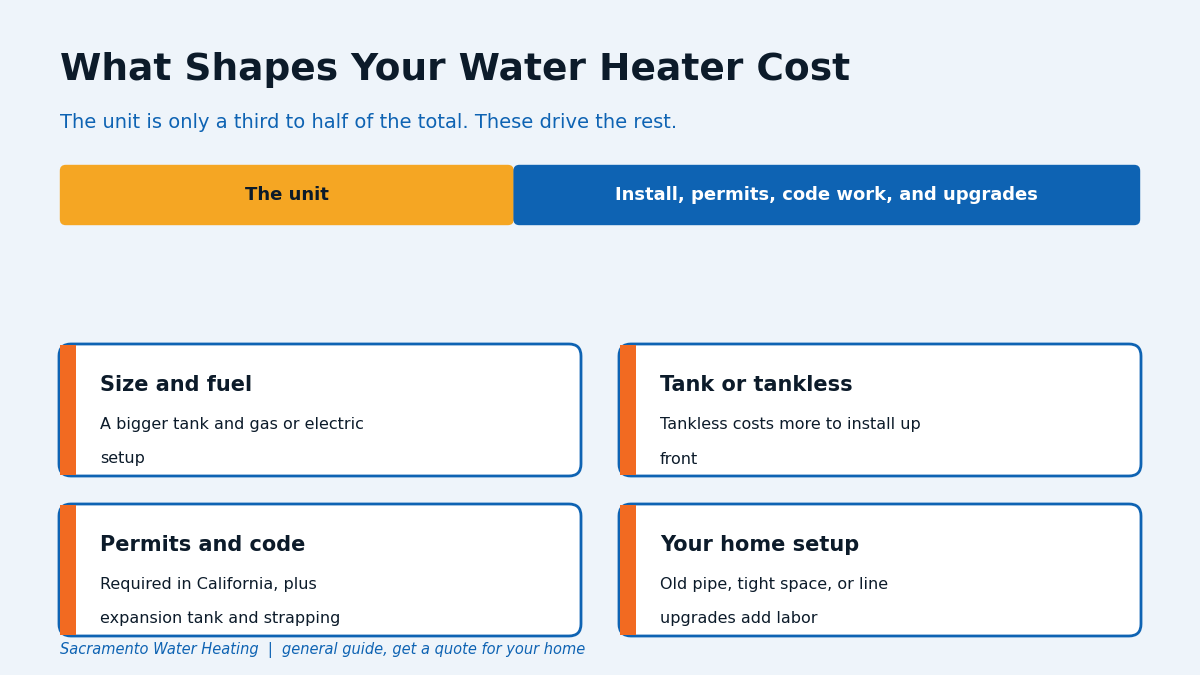
The water heater itself often makes up only about a third to half of what you pay. The rest goes to licensed labor, permits, venting, code required parts, hauling away the old tank, and any gas or electrical work your home needs.
That surprises a lot of folks. You can find a tank at a big box store and think you’ve got the whole picture, but a bare unit sitting in a driveway isn’t a working water heater. It’s the connections, the safety work, and the sign off that make it real.
So when you compare quotes, you’re really comparing installs, not appliances. A number that looks too good to be true usually skips something you’ll pay for later, like a permit or a proper expansion tank.
What drives your water heater cost in Sacramento
A handful of choices and home details set your price. Once you know them, those quotes stop feeling random and start making sense.
Size and fuel type
A bigger tank costs more than a small one, and a 50 gallon unit is a common fit for a Sacramento family home. Gas and electric units carry different price points too, and your home is usually already set up for one or the other.
Switching fuel types, say going from electric to gas, adds real cost because it means new lines and venting. Most replacements stick with the fuel you already have, which keeps things simpler and cheaper.
Tank or tankless
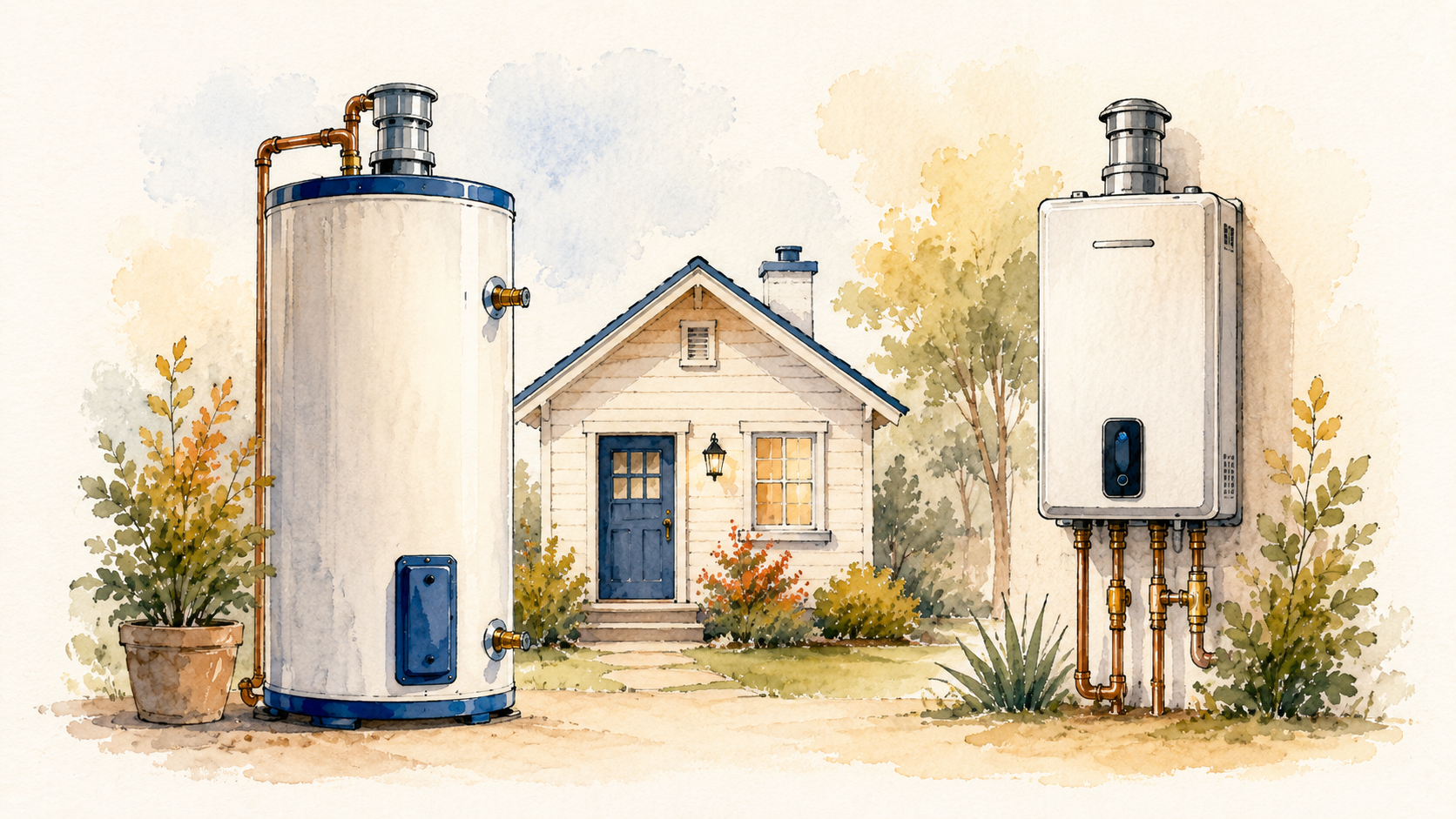
A standard tank is the lower cost option up front and the most familiar choice. A tankless unit costs more to install, often quite a bit more, because it can need upgraded gas lines, new venting, or electrical work.
The trade is longevity and efficiency. Tanks tend to last 8 to 12 years, while tankless units can run 15 to 20 years or more with care. If you want to weigh both sides, our guide on tank versus tankless water heaters breaks it down, and the tankless installation page covers what that job involves.
Permits and California code
This is the part that catches people off guard. California requires a permit for a water heater replacement, even when you’re swapping in the same type and size. There’s no emergency exception that lets a legit installer skip it.
Code also calls for safety upgrades that older homes may not have, like a thermal expansion tank on a closed plumbing system, proper seismic strapping, and correct venting. These aren’t upsells. They’re required, and a good installer builds them into the quote instead of springing them on you halfway through.
Your home’s setup
Where your heater lives and how your home is plumbed matters. Most Sacramento houses are slab on grade with the water heater in the garage or a utility closet, which is usually straightforward to work in.
But tight spaces, old galvanized pipe, an undersized gas line, or a panel that needs attention can all add labor. Homes around Elk Grove, Roseville, Folsom, and Citrus Heights vary a lot by age, so two houses on the same street can land at different numbers.
A quick look at the Sacramento range
National figures give a rough feel. A standard tank replacement often lands in the low thousands installed, while a whole home tankless job commonly runs higher once the gas, venting, and electrical work are counted. Your real water heater cost in Sacramento depends on everything above, so treat these as a starting frame, not a promise.
The only way to know your real cost is a quote on your home. Two homeowners can want the same 50 gallon gas unit and still get different prices because one needs new venting and the other doesn’t. If you’d rather skip the guessing, you can request a free quote and get numbers that actually fit your house.
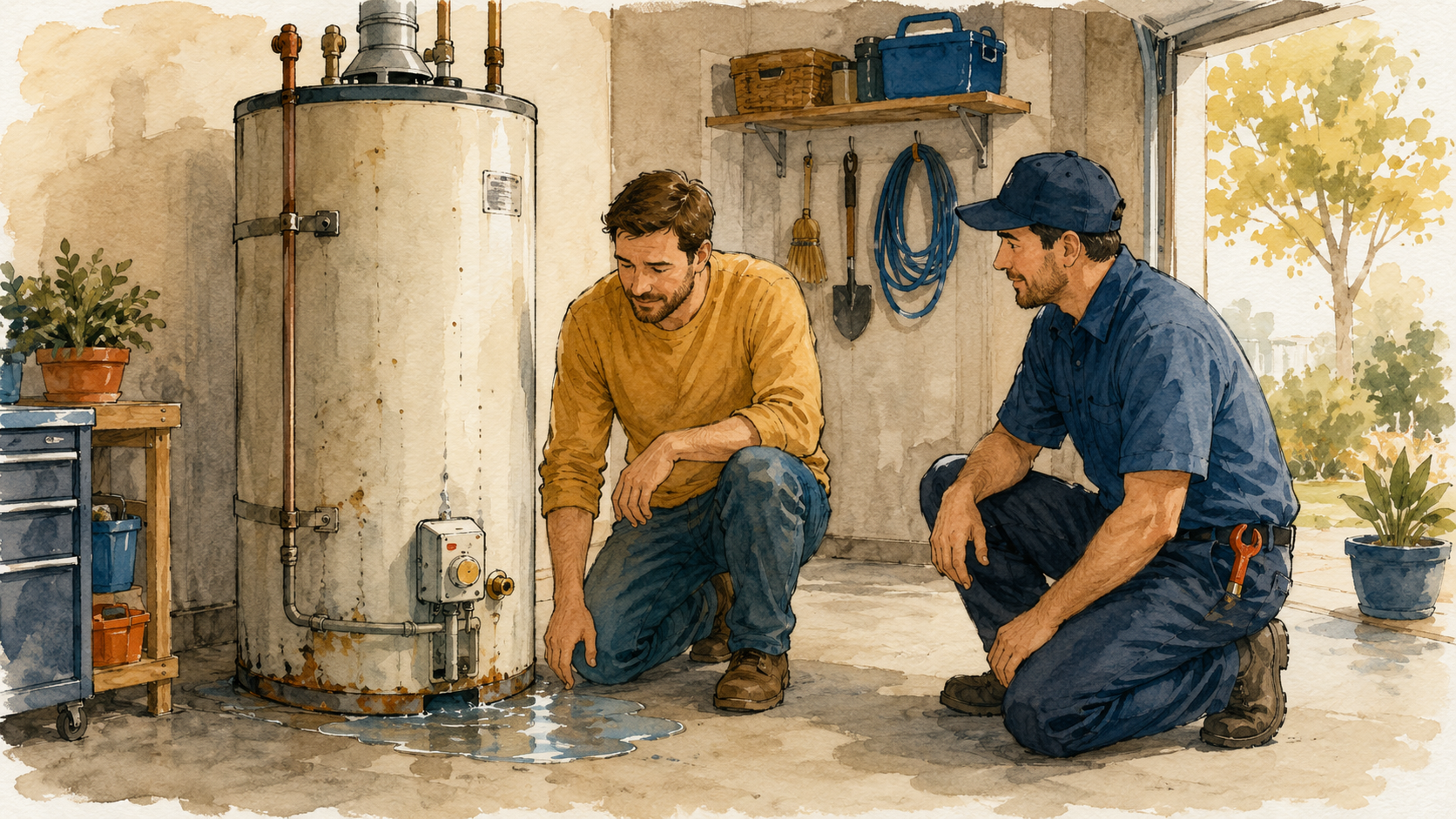
A real world Sacramento example
Picture a family in Citrus Heights with a 15 year old gas tank in the garage. It started leaking on a cold January morning, and they wanted hot water back that day.
Their install wasn’t just the new tank. The old unit had no expansion tank, the strapping was loose, and the venting needed a small correction to meet current code. None of that was padding. It was the difference between a quick swap and a safe, permitted job that passes inspection.
They chose a straight tank replacement to keep the cost down, and the pro flagged that a tankless upgrade was possible later if they ever wanted it. The lesson is simple: the visible unit was the easy part, and the code and setup work shaped the final bill.
Common mistakes that cost you more
A few avoidable missteps quietly raise what people pay, or cost them down the road.
Chasing the lowest quote. If one bid is far below the others, ask what it leaves out. A skipped permit or a missing expansion tank isn’t a savings. It’s a problem waiting to surface at resale or on your next repair.
Skipping the permit. An unpermitted install can cause headaches when you sell, and it means no inspector confirmed the work is safe. On gas units especially, that oversight matters.
Buying your own unit first. A tank you grabbed on sale might be the wrong size or fuel, or it might void labor coverage. It’s usually better to let the installer size and source it as part of the job.
Ignoring hard water. Sacramento Valley water is hard, and mineral buildup shortens a heater’s life. Paying a little for maintenance protects the bigger money you just spent. Our maintenance and flushing page covers what that looks like.

How to keep the cost reasonable
You don’t have to overpay to get a safe, lasting install. A few habits keep you in good shape.
Get more than one quote, and make sure each one spells out the unit, labor, permit, and code work. When the line items match, you can compare fairly instead of guessing.
Ask whether the price includes the permit, expansion tank, strapping, venting, and haul away. A clear yes on all of it usually signals a pro who does the job right the first time.
Think about the long game. A slightly higher upfront cost on a quality unit and a proper install often beats a cheap job you’re redoing in a few years. The Department of Energy has solid general guidance on efficiency if you want to read up.
Still deciding whether to fix the old one or start fresh? Our post on whether to repair or replace your water heater can help, and the installation and replacement page walks through the whole process.
Key takeaways
The unit is only a fraction of your total, so compare full installs, not box prices. Size, fuel, and whether you go tank or tankless set the base, and Sacramento’s permit and code rules add required safety work that a fair quote already includes.
Your home’s age and setup can nudge the number up or down, which is why a quote on your actual house beats any online estimate at pinning down your water heater cost in Sacramento. And protecting your new heater with simple maintenance keeps that investment working for years.
Frequently asked questions
Do I really need a permit to replace a water heater in Sacramento?
Yes. California requires a permit for water heater replacements, including same for same swaps. A licensed installer pulls it as part of the job, and it protects you at inspection and resale.
Is a tankless water heater worth the higher cost?
It can be, if you value the longer lifespan, endless hot water, and energy savings. It costs more up front because of the added gas, venting, or electrical work. Weigh how long you’ll stay in the home and how much hot water your household uses.
Why are the quotes I’m getting so different?
Usually because they include different things. One might cover the permit, expansion tank, and venting while another skips them. Always compare line by line so you’re weighing equal work, not just a headline number.
How long should a new water heater last?
A tank usually lasts 8 to 12 years, and a tankless unit can go 15 to 20 years or more. Sacramento’s hard water is tough on both, so regular flushing and maintenance help you reach the higher end.
Get a real number for your home
You don’t have to figure this out alone or gamble on a mystery quote. A quick look at your setup turns all these variables into one honest price you can plan around.
Sacramento Water Heating is a water heater information and lead request service. We are not a licensed plumbing contractor, and this article is general information, not professional plumbing advice. A licensed local pro should assess your specific water heater and home. If you’d like fast local help or a straight answer on cost, request a free quote or call and we’ll connect you with a local pro who can take a look.